

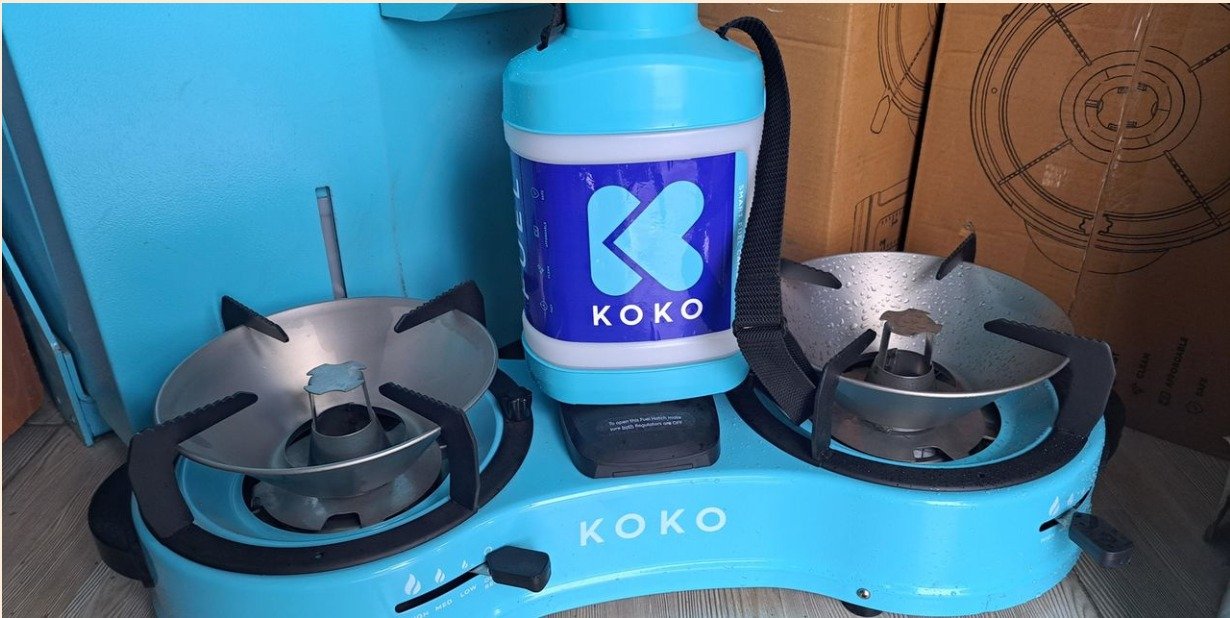
KOKO Networks’ collapse is triggering a wider rethink of Kenya’s carbon-backed clean-cooking playbook: use Article 6 Paris Agreement “mitigation outcomes” to sell cookstove and clean-fuel credits to high emitters, then subsidise ethanol/biogas for low-income households in Mathare, Kibera, and Mukuru. Critics argue this can become a subsidy machine dependent on “atmospheric accounting,” not resilient unit economics.
Since 2023–2024, Kenya has formalised carbon trading via the Climate Change (Amendment) Act and Carbon Markets Regulations 2024, naming NEMA as the Designated National Authority and routing projects through a Multi-Sectoral Technical Committee and Cabinet Secretary authorisation, with 40% community revenue for land-based projects. Sheena Raikundalia (Kuza One) frames the tension: export hard currency today or retain emissions headroom for Kenya’s future growth under its NDC.
The immediate squeeze on KOKO followed the state’s refusal to issue a Letter of Authorisation at the scale sought, with Trade CS Lee Kinyanjui saying one firm could not “mop up” Kenya’s allocation. David Ndii cites disputes over credit integrity, investor predictability, and transparency; Katrin Puetz (B) Energy warns against distribution-based crediting, high certification costs (~$150k), and market distortion, proposing usage-verified models like ccCASH.